


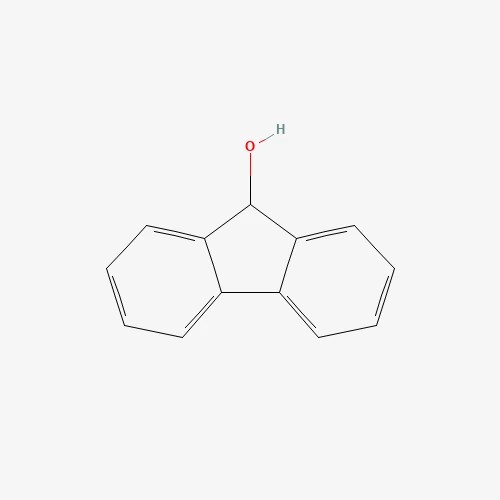


Hydrafinil (Fluorenol)
From €37.80
Hydrafinil (Fluorenol) is a eugeroic (wakefulness-promoting) compound that has been explored for its potential cognitive-enhancing and stimulant effects. It is chemically related to modafinil and has been investigated as a potential alternative with a potentially more favorable pharmacological profile.
For a more detailed description and lab analysis, please see the sections below.
In stock
Worldwide Delivery: We ship to most international destinations with tracked services.
Hydrafinil (Fluorenol), Powder
Hydrafinil (Fluorenol) is an atypical dopamine reuptake inhibitor (DRI) and eugeroic compound, meaning it promotes wakefulness without the overstimulation commonly associated with traditional stimulants. It was originally explored as a potential alternative to modafinil due to its duration of action and lower dopaminergic impact, which may reduce the potential for habituation. It attracted attention because preclinical researchers — notably within the pharmaceutical company Cephalon, makers of modafinil — investigated it as a potential wakefulness-promoting agent in animal models around 2008–2010.
Pharmacodynamics and Mechanism of Action
The precise mechanism of action of hydrafinil is not fully understood; however, it is believed to exert its effects through several pathways:
- Dopamine Reuptake Inhibition: Preliminary research suggests that Hydrafinil may effectively promote wakefulness while maintaining cognitive performance under sleep-deprived conditions. It has been identified as a weak dopamine reuptake inhibitor (DRI) with an IC₅₀ of approximately 9 μM, which is significantly weaker than modafinil (IC₅₀ = 3.70 μM). This suggests that hydrafinil may enhance dopaminergic signaling in the brain while potentially reducing the risk of addiction compared to stronger stimulants.
- Inhibits dopamine reuptake by interacting with the dopamine transporter (DAT), leading to increased extracellular dopamine levels.
- Modulates catecholamine signaling, potentially improving attention and executive function.
- Adrenergic System Modulation
- Influences norepinephrine levels, contributing to heightened wakefulness and alertness.
- May improve vigilance and reduce mental fatigue through sympathetic nervous system activation.
- Lipophilicity: With a LogP value of 2.4, hydrafinil’s lipophilicity is higher than that of modafinil and amphetamine, indicating a greater potential for crossing the blood-brain barrier.
- Glutamatergic and Histaminergic Modulation : Some studies indicate that Hydrafinil’s effects on histamine and norepinephrine systems contribute to its wakefulness-promoting properties.
- Enhances glutamatergic neurotransmission, potentially improving cognitive function and neuroplasticity.
- Interacts with the histamine system, similar to modafinil, promoting wakefulness and reducing sleep propensity.
-
Role of Hydroxylation in Fluorenol:
Hydrafinil differs from its parent compound, fluorene, due to the addition of a hydroxyl (-OH) functional group, which enhances its solubility and bioavailability, making it more effective for research applications.
How It Might Work: The Neuroscience (From Preclinical Research)
All information about hydrafinil’s mechanism of action comes from animal and cell-based studies — not human trials. Based on this limited research, scientists hypothesize it may interact with several key brain systems:
- Dopamine reuptake inhibition: Like modafinil, hydrafinil appears to slow the removal of dopamine (a neurotransmitter linked to motivation, focus, and wakefulness) from brain synapses in preclinical models. However, it is thought to have a weaker effect on dopamine than modafinil, which may reduce the risk of dependence in theory — but this has not been tested in people.
- Orexin system modulation: The orexin (hypocretin) system is a key regulator of wakefulness. Preclinical studies suggest hydrafinil may increase orexin signaling, similar to modafinil, but the extent of this effect in humans is unknown.
- Norepinephrine activity: It may also boost levels of norepinephrine, a neurotransmitter involved in alertness and stress response, though this finding is inconsistent across studies.
Important caveat: Preclinical findings often do not translate to humans. The human brain processes compounds differently, and doses used in animal studies may not be safe or effective for people.
Current Research Status: What We Know (and Don’t Know)
What preclinical research shows
Small studies in rodents have found that hydrafinil may:
- Increase wakefulness and reduce sleepiness in sleep-deprived animals
- Improve performance on simple cognitive tasks (e.g., maze navigation)
- Have fewer locomotor side effects (like hyperactivity) than modafinil in some models
These findings are limited by:
- Small sample sizes
- Lack of replication across research groups
- Doses that may not reflect human use patterns
- No data on long-term exposure effects
What we don’t know (critical gaps)
There is no peer-reviewed, large-scale human research on hydrafinil. This means we do not know:
- How it interacts with other medications or supplements
- Its long-term impacts on the brain, liver, or cardiovascular system
- Whether it causes dependence or withdrawal symptoms
Most claims about hydrafinil’s effects come from anecdotal user reports, which are unreliable due to the placebo effect, variable product purity, and unreported underlying health conditions.
Reported User Experiences (Anecdotal Only – Not Clinically Verified)
Many user reports online describe effects that align with its hypothesized wakefulness-promoting properties, but these accounts are not scientific evidence. Common reported experiences include:
- Increased alertness without the jitteriness associated with caffeine
- Improved focus and sustained attention on tasks
- Reduced feelings of fatigue during long work or study sessions
- Mild mood elevation
However, users also report inconsistent results: some people describe no effects at all, while others report negative reactions. This variability is likely due to differences in product purity, individual biology, and dose.
Safety & Risk Profile: What You Need to Know
Because hydrafinil is unstudied in humans, its full risk profile is unknown. Based on its structural similarity to modafinil and anecdotal reports, potential risks include:
Common reported side effects (anecdotal)
- Headaches
- Nausea or stomach discomfort
- Anxiety or irritability
- Insomnia or reduced sleep quality
- Mild increase in heart rate or blood pressure
Potential serious risks (theoretical or unconfirmed)
- Cardiovascular effects: Modafinil can worsen high blood pressure or heart rhythm issues in susceptible people. Hydrafinil may carry similar risks, especially for those with preexisting heart conditions.
- Psychiatric effects: Anecdotal reports suggest it may exacerbate anxiety, depression, or bipolar disorder symptoms.
- Organ toxicity: There is no data on long-term effects on the liver, kidneys, or brain. Unregulated powder products may also contain contaminants (e.g., heavy metals, other chemicals) that can cause organ damage.
- Dependence: While preclinical data suggests lower dependence risk than stimulant drugs, there is no human data to confirm this.
Who should never use hydrafinil
- Pregnant or breastfeeding people (no data on fetal/infant risk)
- Minors (brain development is ongoing, and unstudied compounds pose unknown risks)
- People with heart disease, high blood pressure, or psychiatric conditions
- Anyone taking prescription medications (risk of unknown interactions)
Legal Status Note
Hydrafinil’s legal status varies by country:
- It is not approved as a medication or dietary supplement in the U.S., EU, Canada, Australia, and most other regions.
- In some countries, it may be classified as an unapproved drug, making sale or possession illegal.
- It is sometimes sold for “research purposes only,” but using it for human consumption may violate local laws.
You are responsible for verifying the legal status of hydrafinil in your jurisdiction before purchasing.
Frequently Asked Questions
Is hydrafinil the same as modafinil?
No. While they are structurally related and may have similar hypothesized effects, hydrafinil is a distinct compound. The two compounds share only a conceptual connection: hydrafinil emerged from the same industrial research lineage exploring wakefulness-promoting agents. Hydrafinil is not a modafinil metabolite, a “stronger modafinil,” or a prodrug of modafinil — despite frequent claims to the contrary online.
Can hydrafinil help with ADHD or brain fog?
There is no clinical evidence to support this claim. Anecdotal reports are mixed, and unregulated use of hydrafinil to self-treat medical conditions is not recommended.
Is hydrafinil addictive?
We don’t know. Preclinical studies suggest lower dependence risk than traditional stimulants, but there is no human data to confirm this. Any substance that affects dopamine signaling carries some theoretical risk of dependence.
How long does hydrafinil last?
Anecdotal reports suggest effects last 6–10 hours, but this varies widely by dose, individual metabolism, and product purity.
Lab analysis — Certificates of Analysis
Every batch is independently tested by HPLC/LC-MS. Purity for current lots: ≥98%. Select a lot to view the full report.

Chemical Informations
| CAS | 1689-64-1 |
| Molar Mass | 182.22 g/mol |
| Chemical Formula | C13H10O |
| IUPAC Name | 9H-fluoren-9-ol |
| Synonyms | 9H-Fluoren-9-ol, 9-Hydroxyfluorene, 1689-64-1, 9-Fluorenol, Fluoren-9-ol, 9-Hydroxy fluorene, Fluorenol, Diphenylene carbinol, MFCD00001135, UNII-BV0Q72R613, CHEMBL571548, AFMVESZOYKHDBJ-UHFFFAOYSA-N, BV0Q72R613 |
| PubChem CID | 74318 |
| Solubility |
Soluble in Chloroform, Methanol and other organic solvents; limited water solubility |
| Organoleptic Profile | Off-white powder |
| Physical Form | Solid |
| Specification | ≥99% |
Storage Conditions
| Temperature | 15°C to 25°C (59°F to 77°F); avoid extremes |
| Humidity | Store in a dry, airtight container |
| Light | Protect from direct light; use opaque or UV resistant containers |
| Air Exposure | Minimize exposure to air; use tightly sealed containers |
| Location | Cool, dark place (e.g., cupboard or drawer) |
| Long-Term Storage | Refrigeration (optional) in an airtight container |
Hydrafinil (Fluorenol), Powder
Hydrafinil (Fluorenol) is an atypical dopamine reuptake inhibitor (DRI) and eugeroic compound, meaning it promotes wakefulness without the overstimulation commonly associated with traditional stimulants. It was originally explored as a potential alternative to modafinil due to its duration of action and lower dopaminergic impact, which may reduce the potential for habituation. It attracted attention because preclinical researchers — notably within the pharmaceutical company Cephalon, makers of modafinil — investigated it as a potential wakefulness-promoting agent in animal models around 2008–2010.
Pharmacodynamics and Mechanism of Action
The precise mechanism of action of hydrafinil is not fully understood; however, it is believed to exert its effects through several pathways:
- Dopamine Reuptake Inhibition: Preliminary research suggests that Hydrafinil may effectively promote wakefulness while maintaining cognitive performance under sleep-deprived conditions. It has been identified as a weak dopamine reuptake inhibitor (DRI) with an IC₅₀ of approximately 9 μM, which is significantly weaker than modafinil (IC₅₀ = 3.70 μM). This suggests that hydrafinil may enhance dopaminergic signaling in the brain while potentially reducing the risk of addiction compared to stronger stimulants.
- Inhibits dopamine reuptake by interacting with the dopamine transporter (DAT), leading to increased extracellular dopamine levels.
- Modulates catecholamine signaling, potentially improving attention and executive function.
- Adrenergic System Modulation
- Influences norepinephrine levels, contributing to heightened wakefulness and alertness.
- May improve vigilance and reduce mental fatigue through sympathetic nervous system activation.
- Lipophilicity: With a LogP value of 2.4, hydrafinil’s lipophilicity is higher than that of modafinil and amphetamine, indicating a greater potential for crossing the blood-brain barrier.
- Glutamatergic and Histaminergic Modulation : Some studies indicate that Hydrafinil’s effects on histamine and norepinephrine systems contribute to its wakefulness-promoting properties.
- Enhances glutamatergic neurotransmission, potentially improving cognitive function and neuroplasticity.
- Interacts with the histamine system, similar to modafinil, promoting wakefulness and reducing sleep propensity.
-
Role of Hydroxylation in Fluorenol:
Hydrafinil differs from its parent compound, fluorene, due to the addition of a hydroxyl (-OH) functional group, which enhances its solubility and bioavailability, making it more effective for research applications.
How It Might Work: The Neuroscience (From Preclinical Research)
All information about hydrafinil’s mechanism of action comes from animal and cell-based studies — not human trials. Based on this limited research, scientists hypothesize it may interact with several key brain systems:
- Dopamine reuptake inhibition: Like modafinil, hydrafinil appears to slow the removal of dopamine (a neurotransmitter linked to motivation, focus, and wakefulness) from brain synapses in preclinical models. However, it is thought to have a weaker effect on dopamine than modafinil, which may reduce the risk of dependence in theory — but this has not been tested in people.
- Orexin system modulation: The orexin (hypocretin) system is a key regulator of wakefulness. Preclinical studies suggest hydrafinil may increase orexin signaling, similar to modafinil, but the extent of this effect in humans is unknown.
- Norepinephrine activity: It may also boost levels of norepinephrine, a neurotransmitter involved in alertness and stress response, though this finding is inconsistent across studies.
Important caveat: Preclinical findings often do not translate to humans. The human brain processes compounds differently, and doses used in animal studies may not be safe or effective for people.
Current Research Status: What We Know (and Don’t Know)
What preclinical research shows
Small studies in rodents have found that hydrafinil may:
- Increase wakefulness and reduce sleepiness in sleep-deprived animals
- Improve performance on simple cognitive tasks (e.g., maze navigation)
- Have fewer locomotor side effects (like hyperactivity) than modafinil in some models
These findings are limited by:
- Small sample sizes
- Lack of replication across research groups
- Doses that may not reflect human use patterns
- No data on long-term exposure effects
What we don’t know (critical gaps)
There is no peer-reviewed, large-scale human research on hydrafinil. This means we do not know:
- How it interacts with other medications or supplements
- Its long-term impacts on the brain, liver, or cardiovascular system
- Whether it causes dependence or withdrawal symptoms
Most claims about hydrafinil’s effects come from anecdotal user reports, which are unreliable due to the placebo effect, variable product purity, and unreported underlying health conditions.
Reported User Experiences (Anecdotal Only – Not Clinically Verified)
Many user reports online describe effects that align with its hypothesized wakefulness-promoting properties, but these accounts are not scientific evidence. Common reported experiences include:
- Increased alertness without the jitteriness associated with caffeine
- Improved focus and sustained attention on tasks
- Reduced feelings of fatigue during long work or study sessions
- Mild mood elevation
However, users also report inconsistent results: some people describe no effects at all, while others report negative reactions. This variability is likely due to differences in product purity, individual biology, and dose.
Safety & Risk Profile: What You Need to Know
Because hydrafinil is unstudied in humans, its full risk profile is unknown. Based on its structural similarity to modafinil and anecdotal reports, potential risks include:
Common reported side effects (anecdotal)
- Headaches
- Nausea or stomach discomfort
- Anxiety or irritability
- Insomnia or reduced sleep quality
- Mild increase in heart rate or blood pressure
Potential serious risks (theoretical or unconfirmed)
- Cardiovascular effects: Modafinil can worsen high blood pressure or heart rhythm issues in susceptible people. Hydrafinil may carry similar risks, especially for those with preexisting heart conditions.
- Psychiatric effects: Anecdotal reports suggest it may exacerbate anxiety, depression, or bipolar disorder symptoms.
- Organ toxicity: There is no data on long-term effects on the liver, kidneys, or brain. Unregulated powder products may also contain contaminants (e.g., heavy metals, other chemicals) that can cause organ damage.
- Dependence: While preclinical data suggests lower dependence risk than stimulant drugs, there is no human data to confirm this.
Who should never use hydrafinil
- Pregnant or breastfeeding people (no data on fetal/infant risk)
- Minors (brain development is ongoing, and unstudied compounds pose unknown risks)
- People with heart disease, high blood pressure, or psychiatric conditions
- Anyone taking prescription medications (risk of unknown interactions)
Legal Status Note
Hydrafinil’s legal status varies by country:
- It is not approved as a medication or dietary supplement in the U.S., EU, Canada, Australia, and most other regions.
- In some countries, it may be classified as an unapproved drug, making sale or possession illegal.
- It is sometimes sold for “research purposes only,” but using it for human consumption may violate local laws.
You are responsible for verifying the legal status of hydrafinil in your jurisdiction before purchasing.
Frequently Asked Questions
Is hydrafinil the same as modafinil?
No. While they are structurally related and may have similar hypothesized effects, hydrafinil is a distinct compound. The two compounds share only a conceptual connection: hydrafinil emerged from the same industrial research lineage exploring wakefulness-promoting agents. Hydrafinil is not a modafinil metabolite, a “stronger modafinil,” or a prodrug of modafinil — despite frequent claims to the contrary online.
Can hydrafinil help with ADHD or brain fog?
There is no clinical evidence to support this claim. Anecdotal reports are mixed, and unregulated use of hydrafinil to self-treat medical conditions is not recommended.
Is hydrafinil addictive?
We don’t know. Preclinical studies suggest lower dependence risk than traditional stimulants, but there is no human data to confirm this. Any substance that affects dopamine signaling carries some theoretical risk of dependence.
How long does hydrafinil last?
Anecdotal reports suggest effects last 6–10 hours, but this varies widely by dose, individual metabolism, and product purity.
Lab analysis — Certificates of Analysis
Every batch is independently tested by HPLC/LC-MS. Purity for current lots: ≥98%. Select a lot to view the full report.
Chemical Informations
| CAS | 1689-64-1 |
| Molar Mass | 182.22 g/mol |
| Chemical Formula | C13H10O |
| IUPAC Name | 9H-fluoren-9-ol |
| Synonyms | 9H-Fluoren-9-ol, 9-Hydroxyfluorene, 1689-64-1, 9-Fluorenol, Fluoren-9-ol, 9-Hydroxy fluorene, Fluorenol, Diphenylene carbinol, MFCD00001135, UNII-BV0Q72R613, CHEMBL571548, AFMVESZOYKHDBJ-UHFFFAOYSA-N, BV0Q72R613 |
| PubChem CID | 74318 |
| Solubility |
Soluble in Chloroform, Methanol and other organic solvents; limited water solubility |
| Organoleptic Profile | Off-white powder |
| Physical Form | Solid |
| Specification | ≥99% |
Storage Conditions
| Temperature | 15°C to 25°C (59°F to 77°F); avoid extremes |
| Humidity | Store in a dry, airtight container |
| Light | Protect from direct light; use opaque or UV resistant containers |
| Air Exposure | Minimize exposure to air; use tightly sealed containers |
| Location | Cool, dark place (e.g., cupboard or drawer) |
| Long-Term Storage | Refrigeration (optional) in an airtight container |
Related products


Bromantane
From €34.90
Emoxypine Succinate
From €34.55

Fasoracetam
From €22.80

Flmodafinil (CRL-40,940)
From €37.80

Noopept
From €22.80


Oxiracetam
From €33.60

Phenylpiracetam
From €29.11


PRL-8-53
From €24.11
