

IDRA-21
From €29.80
IDRA-21 Powder By a neuroscientist for interested readers. Everything here prioritizes accuracy first, accessibility second. At a Glance Question Short Answer What is IDRA-21? A synthetic ampakine — a lab-made…
In stock
Worldwide Delivery: We ship to most international destinations with tracked services.
IDRA-21 Powder
By a neuroscientist for interested readers. Everything here prioritizes accuracy first, accessibility second.
At a Glance
| Question | Short Answer |
|---|---|
| What is IDRA-21? | A synthetic ampakine — a lab-made molecule that boosts signaling at certain brain “listening stations” (AMPA receptors) involved in learning and memory. |
| Where did it come from? | Academic neuroscience research in the 1990s; structurally related to the nootropic aniracetam and to diazoxide, a blood-pressure drug. |
| Is it approved as a medicine? | No. It is an investigational compound. |
| What does the data show? | Real, reproducible memory improvements in rats and monkeys. |
1. What Exactly is IDRA-21?
IDRA-21 is a small, synthetic molecule in a family of compounds researchers call ampakines. The name comes from AMPA receptors — protein “listening stations” on brain cells that respond to glutamate, the brain’s main fast “go” signal.
Chemical Specifications:
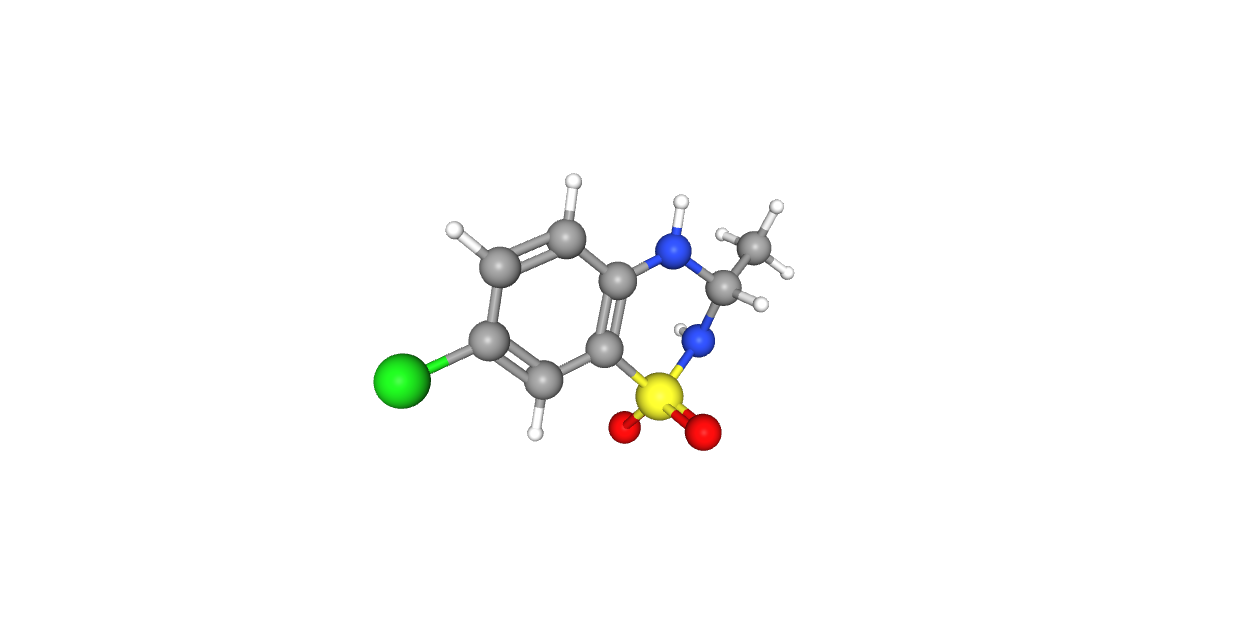
- Full chemical name: 7-chloro-3-methyl-3,4-dihydro-2H-1,2,4-benzothiadiazine 1,1-dioxide
- Molecular formula: C₈H₉ClN₂O₂S
- Molar mass: ≈ 232.7 g/mol
- CAS registry number: 22503-72-6
- Synonyms: IDRA 21, IDRA-21, Biomol-NT_000225
The One-Line Mechanism
In plain terms: if your brain is a vast conversation between billions of neurons, glutamate is one of the main speaking voices, and AMPA receptors are the receivers that pick it up. Ampakines make those receivers more responsive to the voice that’s already there. IDRA-21 was one of the earliest and best-studied examples of this idea.
A Key Chemical Fact: It’s “Chiral”
IDRA-21 comes in two mirror-image forms (technically, enantiomers). The molecule and its mirror image are built from the same atoms but are not superimposable — like your left and right hands. In animal studies, essentially all of the cognitive activity lives in the (+)-form.
Chemical Family & Cross-Reactivity Questions
IDRA-21 belongs to the benzothiadiazine family. That family name matters more than it seems, because it connects IDRA-21 to two very different worlds:
- Aniracetam, an older “nootropic” compound, is a chemical relative (congener).
- Diazoxide, a drug used in medicine to relax blood vessels and raise blood sugar, is also structurally related — as are the thiazide diuretics (like hydrochlorothiazide).
This creates an important open question that has never been tested: does IDRA-21 retain any of the diuretic, blood-pressure-lowering, or potassium-channel effects of its chemical cousins? The honest scientific answer is “unknown, because nobody checked.”
2. A Short Origin Story
IDRA-21 emerged from neuroscience work in the early-to-mid 1990s — notably associated with researchers Erminio Costa and Alessandro Guidotti (names well known in the field of neuropharmacology), with later commercial interest from companies like Cortex Pharmaceuticals and Fidia Farmaceutici.
The scientists were pursuing a simple, elegant hypothesis:
If learning and memory depend on strengthening certain synapses, can we design a drug that makes those synapses more readily strengthenable — without broadly over-exciting the whole brain?
IDRA-21 became one of the early “proofs of concept” that the answer might be yes — at least in animals. In landmark 1995 studies, it reversed drug-induced memory deficits in monkeys about 10 times more potently than aniracetam, which caught the field’s attention.
3. The Brain Science Primer (The Engine IDRA-21 is Built to Tweak)
Before we get anywhere, we need a mental model of how memory works at the cellular level. This is genuinely one of the most beautiful findings in modern neuroscience.
- Neurons communicate across tiny gaps called synapses.
- When one neuron fires, it releases glutamate into the gap.
- Glutamate lands on AMPA receptors on the receiving neuron. These are essentially tiny gates that open, letting charged particles (ions) rush in and creating an electrical blip.
- If a connection is used strongly and repeatedly, it can get permanently stronger — a process called long-term potentiation (LTP). LTP is widely regarded as one of the cellular foundations of learning and memory.
The “Auto-Mute” Problem (and IDRA-21’s Job)
Here’s the clever part: AMPA receptors have a built-in safety feature called desensitization. When glutamate keeps arriving, the receptor’s channel snaps shut on its own — like an automatic mute button — so the cell isn’t overloaded.
Two Analogies for Understanding Mechanism:
- Audio Analogy: Each AMPA receptor is a microphone with an automatic mute that clicks on quickly after the singer starts. IDRA-21 delays the mute a little, so each note is heard louder and longer.
- Gate Analogy: Glutamate opens a gate briefly, then the gate closes on its own even while someone keeps pushing the buzzer. IDRA-21 holds the gate open longer once glutamate rings.
Technically, scientists call IDRA-21 a positive allosteric modulator (PAM) of AMPA receptors:
- Positive = it boosts.
- Allosteric = it works from a different spot than glutamate itself (like adjusting a stereo from a side knob, rather than turning up the singer’s mouth).
A Critically Important Nuance: “Activity-Dependent”
One of the most attractive properties of ampakines — and one enthusiasts often repeat — is that IDRA-21 shouldn’t act like a broad “stimulant.” Because it only amplifies signals where glutamate is already being released, its effect is (in principle) confined to circuits that are already active. It isn’t thought to flip a switch on by itself.
Translation: It turns up the volume of the music that’s already playing, rather than switching the radio on. This is why researchers liked the idea for conditions like aging-related memory loss.
4. The Research Findings
The literature on IDRA-21 is genuinely interesting — this is why the compound attracts attention. Here’s what was actually measured, with the real numbers:
4.1 Reversing Induced Memory Problems
IDRA-21 reversed memory impairment produced by alprazolam (a benzodiazepine that dampens brain activity) and scopolamine (a drug that temporarily blocks a system involved in memory, the muscarinic acetylcholine system). In these reversal models, IDRA-21 was roughly 10–30 times more potent than aniracetam.
4.2 Improving Memory in “Healthy” Animals
This is the part that makes IDRA-21 stand out from many earlier nootropics:
- A 2004 study (Buccafusco and colleagues) in young adult rhesus monkeys found that oral IDRA-21 significantly improved performance on a delayed matching-to-sample (DMTS) task — a demanding working-memory/recognition test.
- At each animal’s individually “best” dose, accuracy on the hardest (“long delay”) trials rose by about 34% relative to baseline.
- The improvement over the dose range 0.15–10 mg/kg was still present 48 hours after a single dose.
- When doses were given every three days, accuracy rose gradually and stayed above baseline across three weeks — suggesting the effect can be maintained with intermittent dosing, not just a one-off blip.
4.3 Aged Monkeys Improved Too (But Differently)
In the same 2004 study, aged monkeys (>20 years old) also improved, but the response was less robust and more variable between animals. At individualized best doses, accuracy on “medium delay” trials rose by up to 18% relative to baseline. The aged animals also appeared more sensitive to dose in individual ways. Importantly, no obvious untoward effects were noted in either group during those studies — a fact often quoted by proponents.
4.4 Visual Recognition Memory (2011 Macaque Study)
A later study (huperzine A and IDRA-21 on visual recognition memory in young macaques, Neuropharmacology, 2011) reported that IDRA-21 improved visual recognition memory in young macaques. The authors concluded that, along with other ampakines, this supported the idea that the class might augment memory beyond normal functioning — not just repair deficits.
4.5 Evidence in Cells and Brain Slices
- In human embryonic kidney cells engineered to carry human AMPA receptors, IDRA-21 roughly doubled the electrical charge moving through the channels at a concentration of 70 µM (micromolar).
- In rat hippocampal slices, IDRA-21 lowered the threshold for inducing LTP — the cellular signature of memory — consistent with its proposed mechanism.
Summary Timeline of Key Milestones
| Year | Finding |
|---|---|
| 1995 | Landmark papers report IDRA-21 reverses drug-induced memory deficits in monkeys, ~10x more potent than aniracetam. |
| 1996 | Shown to facilitate long-term potentiation (LTP) in rat hippocampal slices. |
| 1997 | Cell study: low neurotoxicity relative to cyclothiazide at ordinary concentrations; classified as a “partial” modulator. |
| 1998 | Caution flag: worsened excitotoxic injury in a rat ischemia (stroke-like) model. |
| 2003–2004 | Detailed monkey cognition studies; 48-hour behavioral effect demonstrated; aged monkeys improve but with more variability. |
| 2011 | Further macaque study with huperzine A; supports “augmenting” memory in young animals. |
| 2022 | Later benzothiadiazine derivatives still being explored; IDRA-21 itself remains a reference benchmark compound. |
5. The “48-Hour” Myth — And What It Gets Wrong
This deserves its own section because it is the most commonly repeated error about IDRA-21.
You will see websites claim IDRA-21 “lasts 48 hours.” That’s true and misleading at the same time.
⚠️ Behavioral Duration vs. Pharmacokinetic Half-Life
- The 48 hours refers to how long the behavioral improvement lasted after one oral dose in monkeys — not how long the molecule stays in the bloodstream.
- A proper plasma half-life (the time it takes for the drug’s concentration in blood to drop by half) has not been established in the published literature for any species, including humans.
- Researchers themselves noted the behavioral persistence was unexpectedly long relative to what’s known and described its nature as “remaining to be elucidated.”
Why this matters: If you think “48 hours = drug is active for 48 hours,” you might reason about re-dosing, interactions, or side effects incorrectly. In reality, nobody has measured how IDRA-21 is absorbed, distributed, metabolized, or cleared in humans.
6. The Open Questions
A neutral account requires placing the promise beside what is not yet known. IDRA-21’s scientific profile includes several unresolved points.
6.1 Preclinical
No poison-center case series exist. There are no toxicology or tolerability reports, and zero human drug-interaction data. This is a statement about scientific stage, not a verdict on the molecule: many important compounds pass through years of preclinical work before any human data exist.
6.2 The “48-Hour” Result is Behavioral, Not Metabolic
As noted, the most-cited claim refers to circuit performance duration rather than blood levels. This suggests a brief pharmacological event may set in motion a longer-lasting change in circuit performance — an interesting hypothesis, but one that has not yet been fully explained.
6.3 Documented Caution in Stroke-Like Conditions
In a rat model of global ischemia (interrupted blood flow, analogous to stroke), oral IDRA-21 at 12 and 24 mg/kg worsened hippocampal neuron loss (Yamada et al., 1998).
6.4 Off-Target Actions
IDRA-21’s action is not strictly limited to AMPA receptors:
- It reduced GABA-evoked currents (GABA being the brain’s main inhibitory signal) by about 41% at 200 µM in one study — i.e., it may weaken inhibitory signaling while enhancing excitation.
- It modulated GluN2B-containing NMDA receptors in an inhibitory direction; the biological significance of this remains uncharacterized.
These off-target effects are scientifically informative (they help define the molecule’s full binding profile) and also represent areas where a complete pharmacological picture is still missing.
6.5 Unexplored Biology Inherited from Its Chemical Family
Given the structural relationship to diazoxide and thiazide diuretics, questions about related ion-channel, vascular, or electrolyte effects are unanswered for IDRA-21 — not demonstrated, but also not systematically ruled out. In scientific terms: an absence of data rather than a null finding.
6.6 Individual Variability
Even in the successful monkey studies, response varied by individual and by dose — more so in aged animals. This is both a practical caveat and a research question: it hints that optimal effects may depend on factors (receptor expression, baseline synaptic state, age) that are not yet mapped.
7. Regulatory Status
The accurate big picture:
Sport & Anti-Doping: Under World Anti-Doping Agency (WADA) rules, IDRA-21 falls under category S0 (“Non-approved substances”). Even though it isn’t individually named, any pharmacological substance with no government approval for human therapeutic use is prohibited in and out of competition. Athletes must treat it as banned.
8. Open Questions That Keep the Research Moving
Framed as a scientist would frame them:
- Duration Mechanism: Why does one dose produce 48 hours of benefit? If the molecule’s direct action is brief, what downstream plasticity cascade carries the effect?
- Variability Factors: What explains individual variability — especially in aged animals? Dose sensitivity, receptor changes, or something else?
- Potency vs. Safety: Where is the optimal point on the strength–safety curve? IDRA-21 proved that partial modulation can work; how far should a successor push it?
- Circuit Selectivity: Which circuits benefit most? Memory hubs like the hippocampus versus regions supporting attention and planning — and can future compounds target them selectively?
- Therapeutic Applications: Can the same logic address specific diseases? Conditions with underactive AMPA signaling remain an active research frontier.
- Scaffold Off-Targets: What else does the benzothiadiazine scaffold do? The chemical family’s broader biology remains systematically unexplored territory.
9. A Neutral Synthesis
IDRA-21 is best understood as a two-sided scientific story:
On the evidence side: It is a landmark preclinical molecule. It demonstrated — reproducibly and across species — that AMPA-receptor potentiation can enhance learning and memory, including in healthy, unimpaired animals. It achieved this through an elegant, activity-dependent mechanism rather than broad stimulation, was 10–30 times more potent than the benchmark nootropic of its day, crossed the blood-brain barrier after simple oral dosing, and produced a strikingly durable 48-hour behavioral effect — all while showing a gentler cellular toxicity profile than earlier modulators.
On the open-questions side: It remains a preclinical proof of concept. It has no fully characterized pharmacokinetics, documented off-target actions, and unexplored biology inherited from its chemical relatives. These are not reasons to dismiss the science — they are the normal boundaries of an early-stage research compound — but they are part of an accurate, complete picture.
The fairest summary is therefore balanced: IDRA-21 is a scientifically important molecule that validated a major hypothesis and launched an active field of research, while leaving key questions unanswered. Its value to neuroscience lies in what it demonstrated and in the research program it made possible — not in any claim of completion.
10. Glossary
| Term | Definition |
|---|---|
| Ampakine | A compound that boosts AMPA-receptor signaling. |
| AMPA receptor | A protein gate on neurons that responds to glutamate; central to fast excitatory signaling and memory. |
| Glutamate | The brain’s main excitatory (“go”) chemical messenger. |
| GABA | The brain’s main inhibitory (“brake”) chemical messenger. |
| Synapse | The junction where one neuron communicates with another. |
| Long-term potentiation (LTP) | The lasting strengthening of a synapse after intense activity; a cellular basis of memory. |
| Desensitization | A receptor’s automatic shut-off when its activator keeps arriving. |
| Positive allosteric modulator (PAM) | A molecule that boosts a receptor’s response from a site different from the natural messenger’s. |
| Activity-dependent | Acting only where signaling is already occurring. |
| Enantiomer | One of two mirror-image forms of a chiral molecule. |
| Blood-brain barrier | The selective filter controlling passage from the bloodstream into the brain. |
| Hippocampus | The brain region most associated with forming new memories. |
| Preclinical | Research conducted in cells or animals, prior to human testing. |
| Partial modulator | A compound producing a moderate, calibrated boost rather than a maximal one. |
| Half-life | The time for a substance’s concentration in the blood to fall by half. |
| Ischemia | Reduced blood/oxygen supply to tissue, as in stroke. |
| Research chemical | A substance distributed for laboratory use, typically without human safety validation. |
⚠️ Disclaimer: This content is for educational purposes only and is not medical or legal advice, and it is not an endorsement of the use of IDRA-21 or any other unapproved substance. If you are considering any substance for cognitive, performance, or medical reasons, consult a qualified healthcare professional.
Lab analysis — Certificates of Analysis
Every batch is independently tested by HPLC/LC-MS. Purity for current lots: ≥98%. Select a lot to view the full report.

Chemical Informations
| Technical Information | |
|---|---|
| CAS Number | 22503-72-6 |
| Molar Mass | 232.69 g/mol |
| Chemical Formula | C₈H₉ClN₂O₂S |
| IUPAC Name | 7-chloro-3-methyl-3,4-dihydro-2H-1,2,4-benzothiadiazine 1,1-dioxide |
| Synonyms | IDRA-21, 7-Chloro-3-methyl-3,4-dihydro-2H-benzo[e][1,2,4]thiadiazine 1,1-dioxide, 7-Chloro-3-methyl-3,4-dihydro-2H-1,2,4-benzothiadiazine 1,1-dioxide, 7-Chloro-3,4-dihydro-3-methyl-2H-1,2,4-benzothiadiazine 1,1-dioxide, (+)-IDRA-21, (-)-IDRA-21, CHEBI:111162, CHEMBL77862, SCHEMBL195328 |
| Storage Conditions | Store at room temperature, tightly sealed, away from heat, light, and moisture. |
| Solubility | Soluble in DMSO |
| Organoleptic Profile | White to off-white powder |
| Physical Form | Solid |
| Purity | ≥98% |
| Terms of Use | This material is sold for laboratory research use only. |
IDRA-21 Powder
By a neuroscientist for interested readers. Everything here prioritizes accuracy first, accessibility second.
At a Glance
| Question | Short Answer |
|---|---|
| What is IDRA-21? | A synthetic ampakine — a lab-made molecule that boosts signaling at certain brain “listening stations” (AMPA receptors) involved in learning and memory. |
| Where did it come from? | Academic neuroscience research in the 1990s; structurally related to the nootropic aniracetam and to diazoxide, a blood-pressure drug. |
| Is it approved as a medicine? | No. It is an investigational compound. |
| What does the data show? | Real, reproducible memory improvements in rats and monkeys. |
1. What Exactly is IDRA-21?
IDRA-21 is a small, synthetic molecule in a family of compounds researchers call ampakines. The name comes from AMPA receptors — protein “listening stations” on brain cells that respond to glutamate, the brain’s main fast “go” signal.
Chemical Specifications:
- Full chemical name: 7-chloro-3-methyl-3,4-dihydro-2H-1,2,4-benzothiadiazine 1,1-dioxide
- Molecular formula: C₈H₉ClN₂O₂S
- Molar mass: ≈ 232.7 g/mol
- CAS registry number: 22503-72-6
- Synonyms: IDRA 21, IDRA-21, Biomol-NT_000225
The One-Line Mechanism
In plain terms: if your brain is a vast conversation between billions of neurons, glutamate is one of the main speaking voices, and AMPA receptors are the receivers that pick it up. Ampakines make those receivers more responsive to the voice that’s already there. IDRA-21 was one of the earliest and best-studied examples of this idea.
A Key Chemical Fact: It’s “Chiral”
IDRA-21 comes in two mirror-image forms (technically, enantiomers). The molecule and its mirror image are built from the same atoms but are not superimposable — like your left and right hands. In animal studies, essentially all of the cognitive activity lives in the (+)-form.
Chemical Family & Cross-Reactivity Questions
IDRA-21 belongs to the benzothiadiazine family. That family name matters more than it seems, because it connects IDRA-21 to two very different worlds:
- Aniracetam, an older “nootropic” compound, is a chemical relative (congener).
- Diazoxide, a drug used in medicine to relax blood vessels and raise blood sugar, is also structurally related — as are the thiazide diuretics (like hydrochlorothiazide).
This creates an important open question that has never been tested: does IDRA-21 retain any of the diuretic, blood-pressure-lowering, or potassium-channel effects of its chemical cousins? The honest scientific answer is “unknown, because nobody checked.”
2. A Short Origin Story
IDRA-21 emerged from neuroscience work in the early-to-mid 1990s — notably associated with researchers Erminio Costa and Alessandro Guidotti (names well known in the field of neuropharmacology), with later commercial interest from companies like Cortex Pharmaceuticals and Fidia Farmaceutici.
The scientists were pursuing a simple, elegant hypothesis:
If learning and memory depend on strengthening certain synapses, can we design a drug that makes those synapses more readily strengthenable — without broadly over-exciting the whole brain?
IDRA-21 became one of the early “proofs of concept” that the answer might be yes — at least in animals. In landmark 1995 studies, it reversed drug-induced memory deficits in monkeys about 10 times more potently than aniracetam, which caught the field’s attention.
3. The Brain Science Primer (The Engine IDRA-21 is Built to Tweak)
Before we get anywhere, we need a mental model of how memory works at the cellular level. This is genuinely one of the most beautiful findings in modern neuroscience.
- Neurons communicate across tiny gaps called synapses.
- When one neuron fires, it releases glutamate into the gap.
- Glutamate lands on AMPA receptors on the receiving neuron. These are essentially tiny gates that open, letting charged particles (ions) rush in and creating an electrical blip.
- If a connection is used strongly and repeatedly, it can get permanently stronger — a process called long-term potentiation (LTP). LTP is widely regarded as one of the cellular foundations of learning and memory.
The “Auto-Mute” Problem (and IDRA-21’s Job)
Here’s the clever part: AMPA receptors have a built-in safety feature called desensitization. When glutamate keeps arriving, the receptor’s channel snaps shut on its own — like an automatic mute button — so the cell isn’t overloaded.
Two Analogies for Understanding Mechanism:
- Audio Analogy: Each AMPA receptor is a microphone with an automatic mute that clicks on quickly after the singer starts. IDRA-21 delays the mute a little, so each note is heard louder and longer.
- Gate Analogy: Glutamate opens a gate briefly, then the gate closes on its own even while someone keeps pushing the buzzer. IDRA-21 holds the gate open longer once glutamate rings.
Technically, scientists call IDRA-21 a positive allosteric modulator (PAM) of AMPA receptors:
- Positive = it boosts.
- Allosteric = it works from a different spot than glutamate itself (like adjusting a stereo from a side knob, rather than turning up the singer’s mouth).
A Critically Important Nuance: “Activity-Dependent”
One of the most attractive properties of ampakines — and one enthusiasts often repeat — is that IDRA-21 shouldn’t act like a broad “stimulant.” Because it only amplifies signals where glutamate is already being released, its effect is (in principle) confined to circuits that are already active. It isn’t thought to flip a switch on by itself.
Translation: It turns up the volume of the music that’s already playing, rather than switching the radio on. This is why researchers liked the idea for conditions like aging-related memory loss.
4. The Research Findings
The literature on IDRA-21 is genuinely interesting — this is why the compound attracts attention. Here’s what was actually measured, with the real numbers:
4.1 Reversing Induced Memory Problems
IDRA-21 reversed memory impairment produced by alprazolam (a benzodiazepine that dampens brain activity) and scopolamine (a drug that temporarily blocks a system involved in memory, the muscarinic acetylcholine system). In these reversal models, IDRA-21 was roughly 10–30 times more potent than aniracetam.
4.2 Improving Memory in “Healthy” Animals
This is the part that makes IDRA-21 stand out from many earlier nootropics:
- A 2004 study (Buccafusco and colleagues) in young adult rhesus monkeys found that oral IDRA-21 significantly improved performance on a delayed matching-to-sample (DMTS) task — a demanding working-memory/recognition test.
- At each animal’s individually “best” dose, accuracy on the hardest (“long delay”) trials rose by about 34% relative to baseline.
- The improvement over the dose range 0.15–10 mg/kg was still present 48 hours after a single dose.
- When doses were given every three days, accuracy rose gradually and stayed above baseline across three weeks — suggesting the effect can be maintained with intermittent dosing, not just a one-off blip.
4.3 Aged Monkeys Improved Too (But Differently)
In the same 2004 study, aged monkeys (>20 years old) also improved, but the response was less robust and more variable between animals. At individualized best doses, accuracy on “medium delay” trials rose by up to 18% relative to baseline. The aged animals also appeared more sensitive to dose in individual ways. Importantly, no obvious untoward effects were noted in either group during those studies — a fact often quoted by proponents.
4.4 Visual Recognition Memory (2011 Macaque Study)
A later study (huperzine A and IDRA-21 on visual recognition memory in young macaques, Neuropharmacology, 2011) reported that IDRA-21 improved visual recognition memory in young macaques. The authors concluded that, along with other ampakines, this supported the idea that the class might augment memory beyond normal functioning — not just repair deficits.
4.5 Evidence in Cells and Brain Slices
- In human embryonic kidney cells engineered to carry human AMPA receptors, IDRA-21 roughly doubled the electrical charge moving through the channels at a concentration of 70 µM (micromolar).
- In rat hippocampal slices, IDRA-21 lowered the threshold for inducing LTP — the cellular signature of memory — consistent with its proposed mechanism.
Summary Timeline of Key Milestones
| Year | Finding |
|---|---|
| 1995 | Landmark papers report IDRA-21 reverses drug-induced memory deficits in monkeys, ~10x more potent than aniracetam. |
| 1996 | Shown to facilitate long-term potentiation (LTP) in rat hippocampal slices. |
| 1997 | Cell study: low neurotoxicity relative to cyclothiazide at ordinary concentrations; classified as a “partial” modulator. |
| 1998 | Caution flag: worsened excitotoxic injury in a rat ischemia (stroke-like) model. |
| 2003–2004 | Detailed monkey cognition studies; 48-hour behavioral effect demonstrated; aged monkeys improve but with more variability. |
| 2011 | Further macaque study with huperzine A; supports “augmenting” memory in young animals. |
| 2022 | Later benzothiadiazine derivatives still being explored; IDRA-21 itself remains a reference benchmark compound. |
5. The “48-Hour” Myth — And What It Gets Wrong
This deserves its own section because it is the most commonly repeated error about IDRA-21.
You will see websites claim IDRA-21 “lasts 48 hours.” That’s true and misleading at the same time.
⚠️ Behavioral Duration vs. Pharmacokinetic Half-Life
- The 48 hours refers to how long the behavioral improvement lasted after one oral dose in monkeys — not how long the molecule stays in the bloodstream.
- A proper plasma half-life (the time it takes for the drug’s concentration in blood to drop by half) has not been established in the published literature for any species, including humans.
- Researchers themselves noted the behavioral persistence was unexpectedly long relative to what’s known and described its nature as “remaining to be elucidated.”
Why this matters: If you think “48 hours = drug is active for 48 hours,” you might reason about re-dosing, interactions, or side effects incorrectly. In reality, nobody has measured how IDRA-21 is absorbed, distributed, metabolized, or cleared in humans.
6. The Open Questions
A neutral account requires placing the promise beside what is not yet known. IDRA-21’s scientific profile includes several unresolved points.
6.1 Preclinical
No poison-center case series exist. There are no toxicology or tolerability reports, and zero human drug-interaction data. This is a statement about scientific stage, not a verdict on the molecule: many important compounds pass through years of preclinical work before any human data exist.
6.2 The “48-Hour” Result is Behavioral, Not Metabolic
As noted, the most-cited claim refers to circuit performance duration rather than blood levels. This suggests a brief pharmacological event may set in motion a longer-lasting change in circuit performance — an interesting hypothesis, but one that has not yet been fully explained.
6.3 Documented Caution in Stroke-Like Conditions
In a rat model of global ischemia (interrupted blood flow, analogous to stroke), oral IDRA-21 at 12 and 24 mg/kg worsened hippocampal neuron loss (Yamada et al., 1998).
6.4 Off-Target Actions
IDRA-21’s action is not strictly limited to AMPA receptors:
- It reduced GABA-evoked currents (GABA being the brain’s main inhibitory signal) by about 41% at 200 µM in one study — i.e., it may weaken inhibitory signaling while enhancing excitation.
- It modulated GluN2B-containing NMDA receptors in an inhibitory direction; the biological significance of this remains uncharacterized.
These off-target effects are scientifically informative (they help define the molecule’s full binding profile) and also represent areas where a complete pharmacological picture is still missing.
6.5 Unexplored Biology Inherited from Its Chemical Family
Given the structural relationship to diazoxide and thiazide diuretics, questions about related ion-channel, vascular, or electrolyte effects are unanswered for IDRA-21 — not demonstrated, but also not systematically ruled out. In scientific terms: an absence of data rather than a null finding.
6.6 Individual Variability
Even in the successful monkey studies, response varied by individual and by dose — more so in aged animals. This is both a practical caveat and a research question: it hints that optimal effects may depend on factors (receptor expression, baseline synaptic state, age) that are not yet mapped.
7. Regulatory Status
The accurate big picture:
Sport & Anti-Doping: Under World Anti-Doping Agency (WADA) rules, IDRA-21 falls under category S0 (“Non-approved substances”). Even though it isn’t individually named, any pharmacological substance with no government approval for human therapeutic use is prohibited in and out of competition. Athletes must treat it as banned.
8. Open Questions That Keep the Research Moving
Framed as a scientist would frame them:
- Duration Mechanism: Why does one dose produce 48 hours of benefit? If the molecule’s direct action is brief, what downstream plasticity cascade carries the effect?
- Variability Factors: What explains individual variability — especially in aged animals? Dose sensitivity, receptor changes, or something else?
- Potency vs. Safety: Where is the optimal point on the strength–safety curve? IDRA-21 proved that partial modulation can work; how far should a successor push it?
- Circuit Selectivity: Which circuits benefit most? Memory hubs like the hippocampus versus regions supporting attention and planning — and can future compounds target them selectively?
- Therapeutic Applications: Can the same logic address specific diseases? Conditions with underactive AMPA signaling remain an active research frontier.
- Scaffold Off-Targets: What else does the benzothiadiazine scaffold do? The chemical family’s broader biology remains systematically unexplored territory.
9. A Neutral Synthesis
IDRA-21 is best understood as a two-sided scientific story:
On the evidence side: It is a landmark preclinical molecule. It demonstrated — reproducibly and across species — that AMPA-receptor potentiation can enhance learning and memory, including in healthy, unimpaired animals. It achieved this through an elegant, activity-dependent mechanism rather than broad stimulation, was 10–30 times more potent than the benchmark nootropic of its day, crossed the blood-brain barrier after simple oral dosing, and produced a strikingly durable 48-hour behavioral effect — all while showing a gentler cellular toxicity profile than earlier modulators.
On the open-questions side: It remains a preclinical proof of concept. It has no fully characterized pharmacokinetics, documented off-target actions, and unexplored biology inherited from its chemical relatives. These are not reasons to dismiss the science — they are the normal boundaries of an early-stage research compound — but they are part of an accurate, complete picture.
The fairest summary is therefore balanced: IDRA-21 is a scientifically important molecule that validated a major hypothesis and launched an active field of research, while leaving key questions unanswered. Its value to neuroscience lies in what it demonstrated and in the research program it made possible — not in any claim of completion.
10. Glossary
| Term | Definition |
|---|---|
| Ampakine | A compound that boosts AMPA-receptor signaling. |
| AMPA receptor | A protein gate on neurons that responds to glutamate; central to fast excitatory signaling and memory. |
| Glutamate | The brain’s main excitatory (“go”) chemical messenger. |
| GABA | The brain’s main inhibitory (“brake”) chemical messenger. |
| Synapse | The junction where one neuron communicates with another. |
| Long-term potentiation (LTP) | The lasting strengthening of a synapse after intense activity; a cellular basis of memory. |
| Desensitization | A receptor’s automatic shut-off when its activator keeps arriving. |
| Positive allosteric modulator (PAM) | A molecule that boosts a receptor’s response from a site different from the natural messenger’s. |
| Activity-dependent | Acting only where signaling is already occurring. |
| Enantiomer | One of two mirror-image forms of a chiral molecule. |
| Blood-brain barrier | The selective filter controlling passage from the bloodstream into the brain. |
| Hippocampus | The brain region most associated with forming new memories. |
| Preclinical | Research conducted in cells or animals, prior to human testing. |
| Partial modulator | A compound producing a moderate, calibrated boost rather than a maximal one. |
| Half-life | The time for a substance’s concentration in the blood to fall by half. |
| Ischemia | Reduced blood/oxygen supply to tissue, as in stroke. |
| Research chemical | A substance distributed for laboratory use, typically without human safety validation. |
⚠️ Disclaimer: This content is for educational purposes only and is not medical or legal advice, and it is not an endorsement of the use of IDRA-21 or any other unapproved substance. If you are considering any substance for cognitive, performance, or medical reasons, consult a qualified healthcare professional.
Lab analysis — Certificates of Analysis
Every batch is independently tested by HPLC/LC-MS. Purity for current lots: ≥98%. Select a lot to view the full report.
Chemical Informations
| Technical Information | |
|---|---|
| CAS Number | 22503-72-6 |
| Molar Mass | 232.69 g/mol |
| Chemical Formula | C₈H₉ClN₂O₂S |
| IUPAC Name | 7-chloro-3-methyl-3,4-dihydro-2H-1,2,4-benzothiadiazine 1,1-dioxide |
| Synonyms | IDRA-21, 7-Chloro-3-methyl-3,4-dihydro-2H-benzo[e][1,2,4]thiadiazine 1,1-dioxide, 7-Chloro-3-methyl-3,4-dihydro-2H-1,2,4-benzothiadiazine 1,1-dioxide, 7-Chloro-3,4-dihydro-3-methyl-2H-1,2,4-benzothiadiazine 1,1-dioxide, (+)-IDRA-21, (-)-IDRA-21, CHEBI:111162, CHEMBL77862, SCHEMBL195328 |
| Storage Conditions | Store at room temperature, tightly sealed, away from heat, light, and moisture. |
| Solubility | Soluble in DMSO |
| Organoleptic Profile | White to off-white powder |
| Physical Form | Solid |
| Purity | ≥98% |
| Terms of Use | This material is sold for laboratory research use only. |
Related products

9-me-bc
From €49.90

Dihexa
From €87.11
Emoxypine Succinate
From €34.55
F-Phenibut HCL
From €29.80

Flmodafinil (CRL-40,940)
From €37.80

N-Methyl-Cyclazodone
From €59.80
Nooglutyl
From €28.40

NSI-189 Free Base
From €34.80

Oxiracetam
From €33.60
Piracetam
From €29.80
Sunifiram
From €28.80