Bemethyl Free Base
From €44.80
Bemethyl free base is a scientifically recognized actoprotector and metabolic enhancer, exerting ergogenic, neuroprotective, and antioxidant effects. Its applications extend to military, sports science, and neuropharmacology research, making it a promising investigational compound for optimizing physiological and cognitive performance under stressful conditions.
For a more detailed description and lab analysis, please see the sections below.
In stock
Worldwide Delivery: We ship to most international destinations with tracked services.
Bemethyl Free Base (Powder): A Complete, Evidence-Based Guide
Chemical name: 2-(ethylthio)benzimidazole •
Also known as: Bemitil, Bemithil, Metaprot, Bemactor, Antihot (active ingredient)
ℹ️ A Note on Accuracy
This guide has been rewritten to correct several inaccuracies that circulate in marketing copy about this compound — inflated claims about “gene switching,” guaranteed VO2 max increases, established Alzheimer’s/Parkinson’s applications, “toxin-free” metabolism, and an incorrect anti-doping status. Every claim below is anchored to the actual pharmacological literature on bemitil/bemethyl, most of which originates from Soviet-era and post-Soviet (Russian/Ukrainian) pharmacology, supplemented by newer Western mass-spectrometry and doping-control studies. Where the evidence is thin, that is stated explicitly rather than glossed over.
1. What Bemethyl Free Base Actually Is
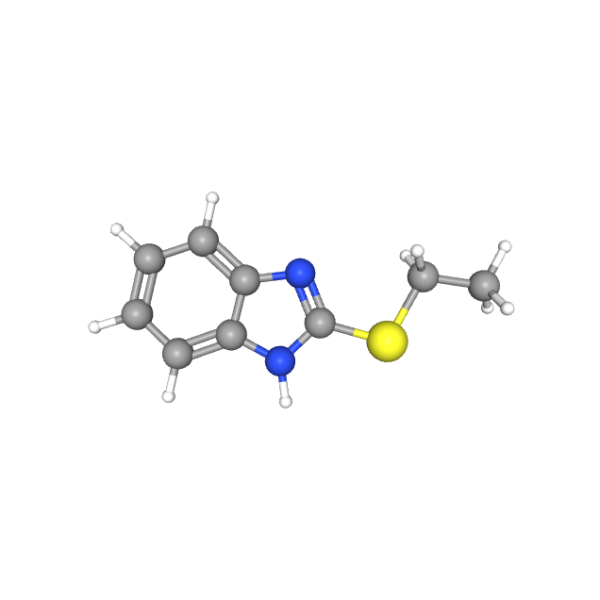
Bemethyl free base is the parent organic molecule 2-(ethylthio)benzimidazole:
C9H10N2S (molecular weight ≈ 178.25 g/mol)
It belongs to a Soviet-invented drug class called actoprotectors — compounds developed in the 1970s at the Military Medical Academy in Leningrad (under Prof. Vladimir Vinogradov) with one specific job: help the body sustain performance during acute or prolonged physical/environmental stress, rather than artificially boost it beyond normal limits the way a classic stimulant does.
Historically, it has almost always been administered clinically as the hydrobromide salt:
C9H10N2S·HBr (molecular weight ≈ 259.17 g/mol)
- Why the free Base Vs salt distinction actually matters ?
Salts are added to the parent molecule to improve stability, crystallinity, or handling — the HBr portion contributes real mass to the powder but has no independent pharmacological action of its own.
Mathematical Conversion Factor:
178.25 g/mol (free base) / 259.17 g/mol (HBr salt) ≈ 68.8%
- 100 mg of free base powder = 100 mg of active molecule (assuming 100% chemical purity).
- 100 mg of the hydrobromide salt ≈ 68.8 mg of active free-base-equivalent molecule — not the “80%” or “72%” figures sometimes quoted in promotional material.
What this does not mean: “Free base” is a statement about chemical form (no salt counter-ion), not a statement about chemical purity. A free base powder can still be 70% pure or 99.5% pure — the salt/base distinction and the purity percentage are two completely separate numbers. Always request a certificate of analysis (HPLC purity, residual solvents) rather than assuming “free base” implies superior quality.
2. History and Origin
- Developed in the USSR in the 1970s specifically for cosmonauts and military personnel.
- Used to prepare the USSR Olympic team for the 1980 Moscow Games.
- Deployed operationally by Soviet/Russian armed forces (including in Afghanistan) to sustain soldiers’ endurance during long marches and in hot climates.
- Used to support the physical and mental capacity of rescue workers after the 1986 Chernobyl disaster and the 1988 Armenian earthquake.
- After the USSR’s dissolution (1991), official state manufacture ceased. It is now sold in Ukraine as a certified dietary supplement (brand: Antihot) and remains used to prepare Ukrainian national sports teams, and in Russia as a prescription drug (Metaprot, Bemactor).
- It has never been evaluated or approved by the FDA and carries no approved medical indication in the US, EU, or most Western countries. In the US it is legally “unscheduled” but not an approved drug.
3. Mechanism of Action — What the Evidence Actually Supports
3.1 The Actoprotector Concept
Actoprotectors are formally defined (per the pharmacological literature) as agents that increase the body’s tolerance to physical exertion without increasing oxygen consumption or heat production. This distinguishes them mechanistically from classic stimulants (amphetamines, sydnocarb), which push output up but at the cost of more oxygen use, heat generation, and eventual exhaustion.
A useful way to think about it: a stimulant tells the body to “spend more energy now.” An actoprotector helps the body spend the energy it already has more efficiently and blunts the metabolic wreckage (acid buildup, oxidative damage) that comes with hard physiological strain.
3.2 Primary Mechanism: Stimulation of Protein and RNA Synthesis
The pharmacological reviews on bemitil are consistent on one point: its principal, most direct effect is stimulation of RNA and protein synthesis in stressed tissues. Downstream of this increased protein synthesis, researchers have observed:
- Increased activity of mitochondrial oxidative enzymes (supporting more efficient ATP generation from existing mitochondria).
- Increased levels of antioxidant enzymes.
- Better maintenance of structural/repair proteins during high physical load.
3.3 Antioxidant Enzyme Support
Animal studies show reasonably consistent increases in the activity of the body’s core antioxidant defenses following bemethyl administration:
| Enzyme | Function | Reported Effect |
|---|---|---|
| Superoxide dismutase (SOD) | Neutralizes superoxide radicals | Increased activity |
| Glutathione peroxidase (GPx) | Detoxifies peroxides | Increased activity |
| Catalase (CAT) | Breaks down hydrogen peroxide | Increased activity |
This is associated with reduced lipid peroxidation and protein carbonylation — i.e., less oxidative damage to cell membranes and enzymes under stress. This effect is one of the more consistently replicated findings in the animal literature.
3.4 Neurotransmitter / Cognitive Effects
Reported effects on cholinergic transmission and dopaminergic modulation exist in the literature, but the practical takeaway from clinical-style studies is important: bemitil is described as a mild psychostimulant with an “expressed anti-asthenic effect” — meaning it counters fatigue-related mental slowing — rather than a nootropic that sharpens cognition in a well-rested, healthy brain. Notably, one review specifically emphasizes that, unlike classic stimulants, bemitil does not cause psychomotor agitation.
Bottom line on mechanism: Bemethyl is best understood as a metabolic-stress stabilizer — it supports protein/RNA synthesis, mitochondrial enzyme efficiency, and antioxidant capacity during strain — not as a precision molecular switch with a single, fully mapped target.
4. Pharmacokinetics and Metabolism
| Phase | What the Evidence Shows | Confidence |
|---|---|---|
| Absorption | Rapid oral absorption from the GI tract; absorption is even faster with carbohydrate-containing food. Peak plasma concentration reached at roughly 1 hour (animal data) to 1–2 hours (human data). | High |
| Distribution | Lipid-soluble; crosses the blood-brain barrier and distributes into brain and muscle tissue. | Moderate-High |
| Metabolism | Extensively metabolized in the liver — only about 0.56% is excreted unchanged. Two documented pathways: (1) glutathione conjugation, producing a benzimidazole–N-acetylcysteine (“mercapturic acid”) conjugate, identified as the most abundant metabolite in a 2021 rat biotransformation study; and (2) glucuronidation (via UGT enzymes), producing bemethyl glucuronide, which is actually the metabolite most reliably detected in human urine doping-control studies. Minor oxidative metabolites (sulfoxide and sulfone forms) have also been reported. | Moderate |
| Elimination | Renal (urinary) excretion. The parent compound has been detected in human urine up to roughly 58 hours post-dose, and its glucuronide conjugate up to roughly 78 hours — considerably longer than the “48 hours” figure sometimes quoted. | Moderate-High |
Correction of a safety-washing claim: Some marketing text asserts that glutathione conjugation makes bemethyl’s breakdown products automatically “non-toxic.” This overstates the case. Glutathione and glucuronide conjugation are indeed the body’s standard detoxification routes for foreign compounds (xenobiotics), and they generally reduce reactivity — but “detoxification pathway” is not a guarantee of a zero-risk metabolic profile. It simply means the liver is doing its normal job of processing and preparing the molecule for excretion.
5. Applications and Research Context (Corrected)
5.1 Military and Aerospace Medicine — Well-Documented Historical Use
Genuinely developed for and used by Soviet cosmonauts and military personnel. Documented use cases include long marches, high-altitude operations, hot climates (including Afghanistan deployments), and post-disaster rescue work (Chernobyl, 1988 Armenian earthquake).
The core advantage cited in the literature versus classic stimulants: it improves performance under hypoxic or hot conditions without the added heat production and oxygen demand that make stimulants counterproductive in those same conditions.
5.2 Sports Science — Correcting the “VO2 Max” Claim
What is not well supported: Direct, reliable elevation of VO2 max in healthy, well-oxygenated, sea-level athletes is not a robust, consistently replicated finding. Framing bemethyl as a blanket VO2 max enhancer overstates the human evidence base.
What is reasonably supported by the literature:
- Animal studies show bemitil’s performance benefit is most pronounced specifically in the fatigue phase — one cited study found it increased maximal work volume by ~33% and endurance to exhaustion by ~60% in fatigued animals, while barely affecting early, non-fatigued work output.
- Documented benefit under extreme conditions: high altitude, heat exposure, and combined heat + hypoxia.
- Some data on faster recovery after exhaustive exertion.
- It is currently used by Ukrainian national sports teams in preparation for international competition.
In plain terms: A healthy person exercising under normal, well-oxygenated conditions should not expect a new personal-best aerobic ceiling from bemethyl. Its documented niche is preventing the performance collapse that happens under altitude, heat, or accumulated fatigue.
5.3 Neuroprotection / Cognitive Use — Correcting the Alzheimer’s/Parkinson’s Claim
What is not accurate: Describing bemethyl as being actively investigated for Alzheimer’s or Parkinson’s disease in mainstream/Western neurology is not supported by the literature. Benzimidazole as a chemical scaffold is broadly explored in medicinal chemistry, but bemethyl itself has not entered established clinical drug-development pipelines for neurodegenerative disease.
What is reasonably supported: An anti-asthenic (anti-fatigue) effect on mental performance, improved reaction time, and support for cognitive function specifically under conditions of fatigue, hypoxia, or asthenic illness — documented in Soviet/Russian/Ukrainian clinical literature.
6. Dosing Information Found in Published/Commercial Literature
Historical clinical/commercial dosing of the hydrobromide salt (for research-literature context only):
| Context | Reported Regimen |
|---|---|
| Standard maintenance | 250 mg, twice daily, after meals |
| Higher-load regimen | Up to 750 mg/day (500 mg morning + 250 mg afternoon) |
| Body weight > 80 kg | Up to 1,000 mg/day |
| Acute extreme-condition use | 500–750 mg taken 40–60 min before exertion, +250 mg after 6–8 hours if sustained |
| Absolute reported ceiling | 1,500 mg/day maximum; 1,000 mg/day the following day |
| Typical course structure | 5 days on, 2–3 days off, to avoid cumulative buildup; repeated for 2–5 courses depending on response |
Remember: These figures describe the hydrobromide salt. If working with the free base, the active-molecule content per milligram is higher (see Section 1), so salt-based dosing figures cannot be applied milligram-for-milligram to free base powder without adjusting for the ~68.8% conversion factor.
7. Handling, Solubility, and Storage of the Free Base Powder
- Solubility: The free base is lipid-soluble and poorly soluble in neutral, cold water. It readily dissolves in the acidic environment of the stomach. For laboratory solubilization, a small amount of dilute acid (such as citric or acetic acid) with gentle warming can help bring it into solution; pH can then be adjusted toward the target range.
- Physical form: Fine crystalline/powder solid.
- Storage: Keep in an airtight, opaque (amber) container, away from moisture and direct light. Cool storage (refrigerated, 4–8 °C) with a desiccant is advisable for long-term stability.
- Handling: Standard laboratory PPE (gloves, eye protection, mask when weighing fine powder) is recommended.
8. Safety Considerations
Reported adverse effects associated with bemethyl use, drawn from the clinical and pharmacovigilance literature, include:
- Nausea or gastric discomfort, particularly on an empty stomach
- Headache
- Elevated blood pressure, mainly with continuous or higher-dose use
- Hyperreflexia at higher doses
- Restlessness or sleep disruption if taken later in the day
- Possible hepatic enzyme elevation with prolonged high-dose exposure in animal toxicology work
Cautionary contexts: Hypertension/active cardiovascular disease, significant hepatic impairment (acute viral hepatitis, cirrhosis, toxic liver damage), pregnancy and lactation, and seizure disorders.
9. Anti-Doping Status — Important Correction
Current WADA Status: Monitored (Not Banned)
- Bemethyl/bemitil is not currently banned under the World Anti-Doping Code.
- In 2018, WADA added bemitil to its Monitoring Program — a category specifically defined for substances that are tracked to detect patterns of misuse in sport.
- As of the most recent published monitoring lists, it remains in the Monitoring Program and has not been moved to the Prohibited List.
- The U.S. Anti-Doping Agency (USADA) recognizes this same status.
- Detection Windows: Parent compound up to ~58 hours; glucuronide metabolite up to ~78 hours in urine.
10. Summary Table
| Aspect | Evidence-Based Summary |
|---|---|
| Chemical identity | 2-(ethylthio)benzimidazole, free base, C9H10N2S, MW ≈ 178.25 g/mol |
| Salt form comparison | Historically studied as hydrobromide salt (MW ≈ 259.17 g/mol); free base ≈ 68.8% of equivalent salt mass |
| Drug class | Actoprotector — Soviet-developed adaptogen distinct from classic stimulants |
| Primary mechanism | Stimulates RNA/protein synthesis; supports mitochondrial oxidative enzyme and antioxidant enzyme (SOD, GPx, CAT) activity under stress |
| Performance effect | Blunts performance decline under fatigue, heat, altitude, and hypoxia; not established as a VO2 max enhancer under normal conditions |
| Cognitive effect | Anti-fatigue / anti-asthenic support under stress; not an established treatment for Alzheimer’s or Parkinson’s disease |
| Metabolism | Hepatic; glutathione conjugation and glucuronidation are dominant pathways; <1% excreted unchanged |
| Detection window | Parent compound to ~58 h; glucuronide metabolite to ~78 h in urine |
| Anti-doping status | WADA Monitoring Program since 2018 — not on Prohibited List; not currently banned |
| Safety profile | Documented side effects (GI upset, headache, BP elevation, hyperreflexia, sleep disruption); not risk-free |
| Regulatory status | Not FDA-approved; unscheduled in US; approved as dietary supplement in Ukraine and prescription drug in Russia |
Lab analysis — Certificates of Analysis
Every batch is independently tested by HPLC/LC-MS. Purity for current lots: ≥98%. Select a lot to view the full report.

Chemical Informations
| CAS | 14610-11-8 |
| Molar Mass | 178.26 g/mol |
| Chemical Formula | C₉H₁₀N₂S |
| IUPAC Name | 2-Ethylsulfanyl-1H-benzimidazole |
| Synonyms | 1H-Benzimidazole,2-(ethylthio)-(9CI)/2-mercaptoethylbenzimidazole/MFCD00223154/2-(Ethylthio)benzimidazole/2S44TEQ96E/2-(ethylsulfanyl)-1H-benzimidazole/Bemithyl/2-ethylthiobenzimidazole/Bemetil/Bemythyl/2-(Ethylsulfanyl)benzimidazole; 2-(Ethylthio)benzimidazole; /2-Mercaptoethylbenzimidazole/CDS1_000187/Maybridge1_002475 |
| PubChem SID | |
| Solubility |
Soluble in dimethyl sulfoxide (DMSO), slightly soluble in ethanol, and insoluble in water |
| Organoleptic Profile | Off-white powder |
| Physical Form | Solid |
| Specification | ≥99% |
Storage Conditions
- Temperature: Store at 2-8°C for long-term stability. Can be stored at ambient temperature (15-25°C) for short periods.
- Light Sensitivity: Keep away from direct sunlight and UV exposure.
- Moisture Protection: Store in an airtight container to prevent degradation.
- Shelf Life: Stable for up to 2 years under recommended conditions.
Bemethyl Free Base (Powder): A Complete, Evidence-Based Guide
Chemical name: 2-(ethylthio)benzimidazole •
Also known as: Bemitil, Bemithil, Metaprot, Bemactor, Antihot (active ingredient)
ℹ️ A Note on Accuracy
This guide has been rewritten to correct several inaccuracies that circulate in marketing copy about this compound — inflated claims about “gene switching,” guaranteed VO2 max increases, established Alzheimer’s/Parkinson’s applications, “toxin-free” metabolism, and an incorrect anti-doping status. Every claim below is anchored to the actual pharmacological literature on bemitil/bemethyl, most of which originates from Soviet-era and post-Soviet (Russian/Ukrainian) pharmacology, supplemented by newer Western mass-spectrometry and doping-control studies. Where the evidence is thin, that is stated explicitly rather than glossed over.
1. What Bemethyl Free Base Actually Is
Bemethyl free base is the parent organic molecule 2-(ethylthio)benzimidazole:
C9H10N2S (molecular weight ≈ 178.25 g/mol)
It belongs to a Soviet-invented drug class called actoprotectors — compounds developed in the 1970s at the Military Medical Academy in Leningrad (under Prof. Vladimir Vinogradov) with one specific job: help the body sustain performance during acute or prolonged physical/environmental stress, rather than artificially boost it beyond normal limits the way a classic stimulant does.
Historically, it has almost always been administered clinically as the hydrobromide salt:
C9H10N2S·HBr (molecular weight ≈ 259.17 g/mol)
- Why the free Base Vs salt distinction actually matters ?
Salts are added to the parent molecule to improve stability, crystallinity, or handling — the HBr portion contributes real mass to the powder but has no independent pharmacological action of its own.
Mathematical Conversion Factor:
178.25 g/mol (free base) / 259.17 g/mol (HBr salt) ≈ 68.8%
- 100 mg of free base powder = 100 mg of active molecule (assuming 100% chemical purity).
- 100 mg of the hydrobromide salt ≈ 68.8 mg of active free-base-equivalent molecule — not the “80%” or “72%” figures sometimes quoted in promotional material.
What this does not mean: “Free base” is a statement about chemical form (no salt counter-ion), not a statement about chemical purity. A free base powder can still be 70% pure or 99.5% pure — the salt/base distinction and the purity percentage are two completely separate numbers. Always request a certificate of analysis (HPLC purity, residual solvents) rather than assuming “free base” implies superior quality.
2. History and Origin
- Developed in the USSR in the 1970s specifically for cosmonauts and military personnel.
- Used to prepare the USSR Olympic team for the 1980 Moscow Games.
- Deployed operationally by Soviet/Russian armed forces (including in Afghanistan) to sustain soldiers’ endurance during long marches and in hot climates.
- Used to support the physical and mental capacity of rescue workers after the 1986 Chernobyl disaster and the 1988 Armenian earthquake.
- After the USSR’s dissolution (1991), official state manufacture ceased. It is now sold in Ukraine as a certified dietary supplement (brand: Antihot) and remains used to prepare Ukrainian national sports teams, and in Russia as a prescription drug (Metaprot, Bemactor).
- It has never been evaluated or approved by the FDA and carries no approved medical indication in the US, EU, or most Western countries. In the US it is legally “unscheduled” but not an approved drug.
3. Mechanism of Action — What the Evidence Actually Supports
3.1 The Actoprotector Concept
Actoprotectors are formally defined (per the pharmacological literature) as agents that increase the body’s tolerance to physical exertion without increasing oxygen consumption or heat production. This distinguishes them mechanistically from classic stimulants (amphetamines, sydnocarb), which push output up but at the cost of more oxygen use, heat generation, and eventual exhaustion.
A useful way to think about it: a stimulant tells the body to “spend more energy now.” An actoprotector helps the body spend the energy it already has more efficiently and blunts the metabolic wreckage (acid buildup, oxidative damage) that comes with hard physiological strain.
3.2 Primary Mechanism: Stimulation of Protein and RNA Synthesis
The pharmacological reviews on bemitil are consistent on one point: its principal, most direct effect is stimulation of RNA and protein synthesis in stressed tissues. Downstream of this increased protein synthesis, researchers have observed:
- Increased activity of mitochondrial oxidative enzymes (supporting more efficient ATP generation from existing mitochondria).
- Increased levels of antioxidant enzymes.
- Better maintenance of structural/repair proteins during high physical load.
3.3 Antioxidant Enzyme Support
Animal studies show reasonably consistent increases in the activity of the body’s core antioxidant defenses following bemethyl administration:
| Enzyme | Function | Reported Effect |
|---|---|---|
| Superoxide dismutase (SOD) | Neutralizes superoxide radicals | Increased activity |
| Glutathione peroxidase (GPx) | Detoxifies peroxides | Increased activity |
| Catalase (CAT) | Breaks down hydrogen peroxide | Increased activity |
This is associated with reduced lipid peroxidation and protein carbonylation — i.e., less oxidative damage to cell membranes and enzymes under stress. This effect is one of the more consistently replicated findings in the animal literature.
3.4 Neurotransmitter / Cognitive Effects
Reported effects on cholinergic transmission and dopaminergic modulation exist in the literature, but the practical takeaway from clinical-style studies is important: bemitil is described as a mild psychostimulant with an “expressed anti-asthenic effect” — meaning it counters fatigue-related mental slowing — rather than a nootropic that sharpens cognition in a well-rested, healthy brain. Notably, one review specifically emphasizes that, unlike classic stimulants, bemitil does not cause psychomotor agitation.
Bottom line on mechanism: Bemethyl is best understood as a metabolic-stress stabilizer — it supports protein/RNA synthesis, mitochondrial enzyme efficiency, and antioxidant capacity during strain — not as a precision molecular switch with a single, fully mapped target.
4. Pharmacokinetics and Metabolism
| Phase | What the Evidence Shows | Confidence |
|---|---|---|
| Absorption | Rapid oral absorption from the GI tract; absorption is even faster with carbohydrate-containing food. Peak plasma concentration reached at roughly 1 hour (animal data) to 1–2 hours (human data). | High |
| Distribution | Lipid-soluble; crosses the blood-brain barrier and distributes into brain and muscle tissue. | Moderate-High |
| Metabolism | Extensively metabolized in the liver — only about 0.56% is excreted unchanged. Two documented pathways: (1) glutathione conjugation, producing a benzimidazole–N-acetylcysteine (“mercapturic acid”) conjugate, identified as the most abundant metabolite in a 2021 rat biotransformation study; and (2) glucuronidation (via UGT enzymes), producing bemethyl glucuronide, which is actually the metabolite most reliably detected in human urine doping-control studies. Minor oxidative metabolites (sulfoxide and sulfone forms) have also been reported. | Moderate |
| Elimination | Renal (urinary) excretion. The parent compound has been detected in human urine up to roughly 58 hours post-dose, and its glucuronide conjugate up to roughly 78 hours — considerably longer than the “48 hours” figure sometimes quoted. | Moderate-High |
Correction of a safety-washing claim: Some marketing text asserts that glutathione conjugation makes bemethyl’s breakdown products automatically “non-toxic.” This overstates the case. Glutathione and glucuronide conjugation are indeed the body’s standard detoxification routes for foreign compounds (xenobiotics), and they generally reduce reactivity — but “detoxification pathway” is not a guarantee of a zero-risk metabolic profile. It simply means the liver is doing its normal job of processing and preparing the molecule for excretion.
5. Applications and Research Context (Corrected)
5.1 Military and Aerospace Medicine — Well-Documented Historical Use
Genuinely developed for and used by Soviet cosmonauts and military personnel. Documented use cases include long marches, high-altitude operations, hot climates (including Afghanistan deployments), and post-disaster rescue work (Chernobyl, 1988 Armenian earthquake).
The core advantage cited in the literature versus classic stimulants: it improves performance under hypoxic or hot conditions without the added heat production and oxygen demand that make stimulants counterproductive in those same conditions.
5.2 Sports Science — Correcting the “VO2 Max” Claim
What is not well supported: Direct, reliable elevation of VO2 max in healthy, well-oxygenated, sea-level athletes is not a robust, consistently replicated finding. Framing bemethyl as a blanket VO2 max enhancer overstates the human evidence base.
What is reasonably supported by the literature:
- Animal studies show bemitil’s performance benefit is most pronounced specifically in the fatigue phase — one cited study found it increased maximal work volume by ~33% and endurance to exhaustion by ~60% in fatigued animals, while barely affecting early, non-fatigued work output.
- Documented benefit under extreme conditions: high altitude, heat exposure, and combined heat + hypoxia.
- Some data on faster recovery after exhaustive exertion.
- It is currently used by Ukrainian national sports teams in preparation for international competition.
In plain terms: A healthy person exercising under normal, well-oxygenated conditions should not expect a new personal-best aerobic ceiling from bemethyl. Its documented niche is preventing the performance collapse that happens under altitude, heat, or accumulated fatigue.
5.3 Neuroprotection / Cognitive Use — Correcting the Alzheimer’s/Parkinson’s Claim
What is not accurate: Describing bemethyl as being actively investigated for Alzheimer’s or Parkinson’s disease in mainstream/Western neurology is not supported by the literature. Benzimidazole as a chemical scaffold is broadly explored in medicinal chemistry, but bemethyl itself has not entered established clinical drug-development pipelines for neurodegenerative disease.
What is reasonably supported: An anti-asthenic (anti-fatigue) effect on mental performance, improved reaction time, and support for cognitive function specifically under conditions of fatigue, hypoxia, or asthenic illness — documented in Soviet/Russian/Ukrainian clinical literature.
6. Dosing Information Found in Published/Commercial Literature
Historical clinical/commercial dosing of the hydrobromide salt (for research-literature context only):
| Context | Reported Regimen |
|---|---|
| Standard maintenance | 250 mg, twice daily, after meals |
| Higher-load regimen | Up to 750 mg/day (500 mg morning + 250 mg afternoon) |
| Body weight > 80 kg | Up to 1,000 mg/day |
| Acute extreme-condition use | 500–750 mg taken 40–60 min before exertion, +250 mg after 6–8 hours if sustained |
| Absolute reported ceiling | 1,500 mg/day maximum; 1,000 mg/day the following day |
| Typical course structure | 5 days on, 2–3 days off, to avoid cumulative buildup; repeated for 2–5 courses depending on response |
Remember: These figures describe the hydrobromide salt. If working with the free base, the active-molecule content per milligram is higher (see Section 1), so salt-based dosing figures cannot be applied milligram-for-milligram to free base powder without adjusting for the ~68.8% conversion factor.
7. Handling, Solubility, and Storage of the Free Base Powder
- Solubility: The free base is lipid-soluble and poorly soluble in neutral, cold water. It readily dissolves in the acidic environment of the stomach. For laboratory solubilization, a small amount of dilute acid (such as citric or acetic acid) with gentle warming can help bring it into solution; pH can then be adjusted toward the target range.
- Physical form: Fine crystalline/powder solid.
- Storage: Keep in an airtight, opaque (amber) container, away from moisture and direct light. Cool storage (refrigerated, 4–8 °C) with a desiccant is advisable for long-term stability.
- Handling: Standard laboratory PPE (gloves, eye protection, mask when weighing fine powder) is recommended.
8. Safety Considerations
Reported adverse effects associated with bemethyl use, drawn from the clinical and pharmacovigilance literature, include:
- Nausea or gastric discomfort, particularly on an empty stomach
- Headache
- Elevated blood pressure, mainly with continuous or higher-dose use
- Hyperreflexia at higher doses
- Restlessness or sleep disruption if taken later in the day
- Possible hepatic enzyme elevation with prolonged high-dose exposure in animal toxicology work
Cautionary contexts: Hypertension/active cardiovascular disease, significant hepatic impairment (acute viral hepatitis, cirrhosis, toxic liver damage), pregnancy and lactation, and seizure disorders.
9. Anti-Doping Status — Important Correction
Current WADA Status: Monitored (Not Banned)
- Bemethyl/bemitil is not currently banned under the World Anti-Doping Code.
- In 2018, WADA added bemitil to its Monitoring Program — a category specifically defined for substances that are tracked to detect patterns of misuse in sport.
- As of the most recent published monitoring lists, it remains in the Monitoring Program and has not been moved to the Prohibited List.
- The U.S. Anti-Doping Agency (USADA) recognizes this same status.
- Detection Windows: Parent compound up to ~58 hours; glucuronide metabolite up to ~78 hours in urine.
10. Summary Table
| Aspect | Evidence-Based Summary |
|---|---|
| Chemical identity | 2-(ethylthio)benzimidazole, free base, C9H10N2S, MW ≈ 178.25 g/mol |
| Salt form comparison | Historically studied as hydrobromide salt (MW ≈ 259.17 g/mol); free base ≈ 68.8% of equivalent salt mass |
| Drug class | Actoprotector — Soviet-developed adaptogen distinct from classic stimulants |
| Primary mechanism | Stimulates RNA/protein synthesis; supports mitochondrial oxidative enzyme and antioxidant enzyme (SOD, GPx, CAT) activity under stress |
| Performance effect | Blunts performance decline under fatigue, heat, altitude, and hypoxia; not established as a VO2 max enhancer under normal conditions |
| Cognitive effect | Anti-fatigue / anti-asthenic support under stress; not an established treatment for Alzheimer’s or Parkinson’s disease |
| Metabolism | Hepatic; glutathione conjugation and glucuronidation are dominant pathways; <1% excreted unchanged |
| Detection window | Parent compound to ~58 h; glucuronide metabolite to ~78 h in urine |
| Anti-doping status | WADA Monitoring Program since 2018 — not on Prohibited List; not currently banned |
| Safety profile | Documented side effects (GI upset, headache, BP elevation, hyperreflexia, sleep disruption); not risk-free |
| Regulatory status | Not FDA-approved; unscheduled in US; approved as dietary supplement in Ukraine and prescription drug in Russia |
Lab analysis — Certificates of Analysis
Every batch is independently tested by HPLC/LC-MS. Purity for current lots: ≥98%. Select a lot to view the full report.
Chemical Informations
| CAS | 14610-11-8 |
| Molar Mass | 178.26 g/mol |
| Chemical Formula | C₉H₁₀N₂S |
| IUPAC Name | 2-Ethylsulfanyl-1H-benzimidazole |
| Synonyms | 1H-Benzimidazole,2-(ethylthio)-(9CI)/2-mercaptoethylbenzimidazole/MFCD00223154/2-(Ethylthio)benzimidazole/2S44TEQ96E/2-(ethylsulfanyl)-1H-benzimidazole/Bemithyl/2-ethylthiobenzimidazole/Bemetil/Bemythyl/2-(Ethylsulfanyl)benzimidazole; 2-(Ethylthio)benzimidazole; /2-Mercaptoethylbenzimidazole/CDS1_000187/Maybridge1_002475 |
| PubChem SID | |
| Solubility |
Soluble in dimethyl sulfoxide (DMSO), slightly soluble in ethanol, and insoluble in water |
| Organoleptic Profile | Off-white powder |
| Physical Form | Solid |
| Specification | ≥99% |
Storage Conditions
- Temperature: Store at 2-8°C for long-term stability. Can be stored at ambient temperature (15-25°C) for short periods.
- Light Sensitivity: Keep away from direct sunlight and UV exposure.
- Moisture Protection: Store in an airtight container to prevent degradation.
- Shelf Life: Stable for up to 2 years under recommended conditions.
Related products

4 DMA-7,8 DHF
From €54.80

9-me-bc
From €49.90
Adrafinil
From €32.80
Aniracetam
From €29.80
Bemethyl HBr
From €94.80

Coluracetam
From €27.80

Dihexa
From €87.11

Memantine HCL
From €38.90

N-Acetyl Semax Amidate – Spray
From €34.80

NSI-189 Free Base
From €34.80